
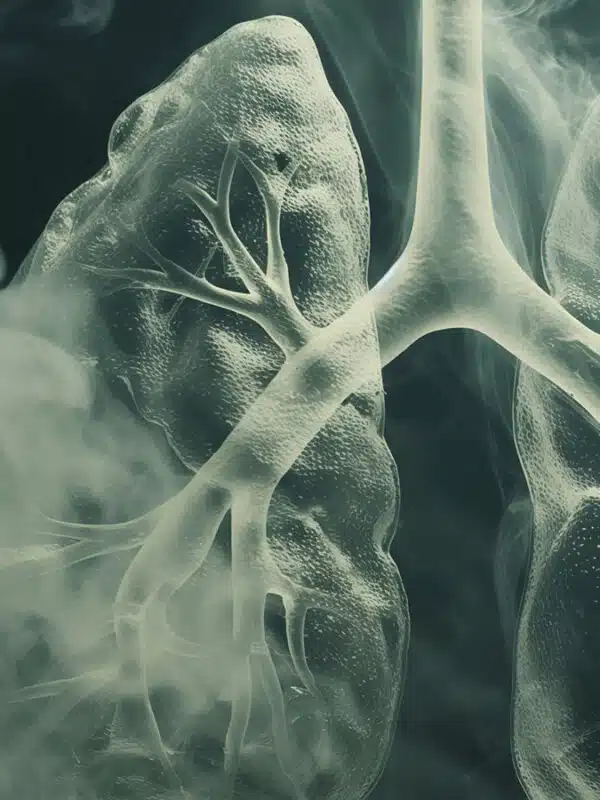
Radon Awareness Understanding and Mitigating Risks
What is radon?
Radon is a naturally occurring radioactive gas that comes from the decay of uranium found in small quantities in all soil and rocks. You can’t taste it, smell it and it has no colour.
Where is radon found?
Certain areas of the country are more prone to radon than others. They are commonly known as radon affected areas. We can check your postcode to see if you live or work inside one of these radon affected areas.
What’s the risk from radon?
When the concentration of radon is really high, it does pose a serious risk to your health. In fact, health studies show that radon is responsible for 3–5% of all lung cancers in the UK – the second largest cause after smoking. And if you’re a smoker, this problem is compounded even further.
Through natural processes, the air pressure inside a building differs from the air pressure outside and that difference in air pressure increases as it gets colder outside. As a consequence radon gas will enter the property through cracks and gaps in the floor and walls. In order to improve heat comfort we often construct buildings to reduce ventilation, for example in the case of cavity wall insulation, double glazing and roof insulation. Over time, indoor radon levels can become excessive and harmful if it’s unable to escape and disperse and as its invisible we have no way of knowing about it other than testing.
How can you reduce radon?
Controlling radon is about reducing the quantity that can get inside the building, usually through manipulating the internal air pressure, drawing radon away from the underneath of the building or using construction techniques to improve ventilation. There is no single solution as it depends on the building, however it’s usually relatively inexpensive.
0
Fatalities from radon
in Europe
each year
0x
Smokers are 25 times more likely to be affected by radon
0
Hours a day with radon levels of 750 Bq M3 is like smoking a pack a day
0
Radon is the no.1
cause of lung cancer
in non-smokers
darker means danger
Radon risk colour code
If your property is shown to have greater than 1% probability that means it’s considered to be inside a radon affected area. The higher the percentage, the higher the possible risk of finding high radon levels. Being inside a 30%+ area does not mean you have a problem, but there is a much higher risk.
Outside in the open environment, radon is generally not a problem because the gas disperses in air which means the levels we breathe in are usually very low and relatively harmless. But if you are inside a property in one of those radon affected areas it might mean that radon levels are high if airflow is restricted. As individual properties have different characteristics, the only way to know if you’re really at risk is to perform a radon test as simply being inside a radon affected area only indicates a possible risk.
30% +
Over 30% radon potential risk percentage
10 - 30%
10-30% radon potential risk percentage
5 - 10%
5-10% radon potential risk percentage
3 - 5%
3-5% radon potential risk percentage
1 - 3%
1-3% radon potential risk percentage
0 - 1%
0-1% radon potential risk percentage

The devil's in the detail
Radon maps for UK
Every address has a radon potential associated with it. Each blocky area you see on a radon maps is a 1km grid square that will have a designated risk for the whole area. However there are variations in each square as it’s the highest risk that’s shown – it’s only through a postcode search that you can discover the individual risk of your address.